Consumers are becoming more mindful in regards to their purchasing habits as they seek to counteract some of the negative effects that consumerism is having on the world. They're starting to demand more responsibility and transparency from retailers and brands about how and where their products are made. This is fueled by the realization that consumerism gives them power, and they want to wield that power for good.
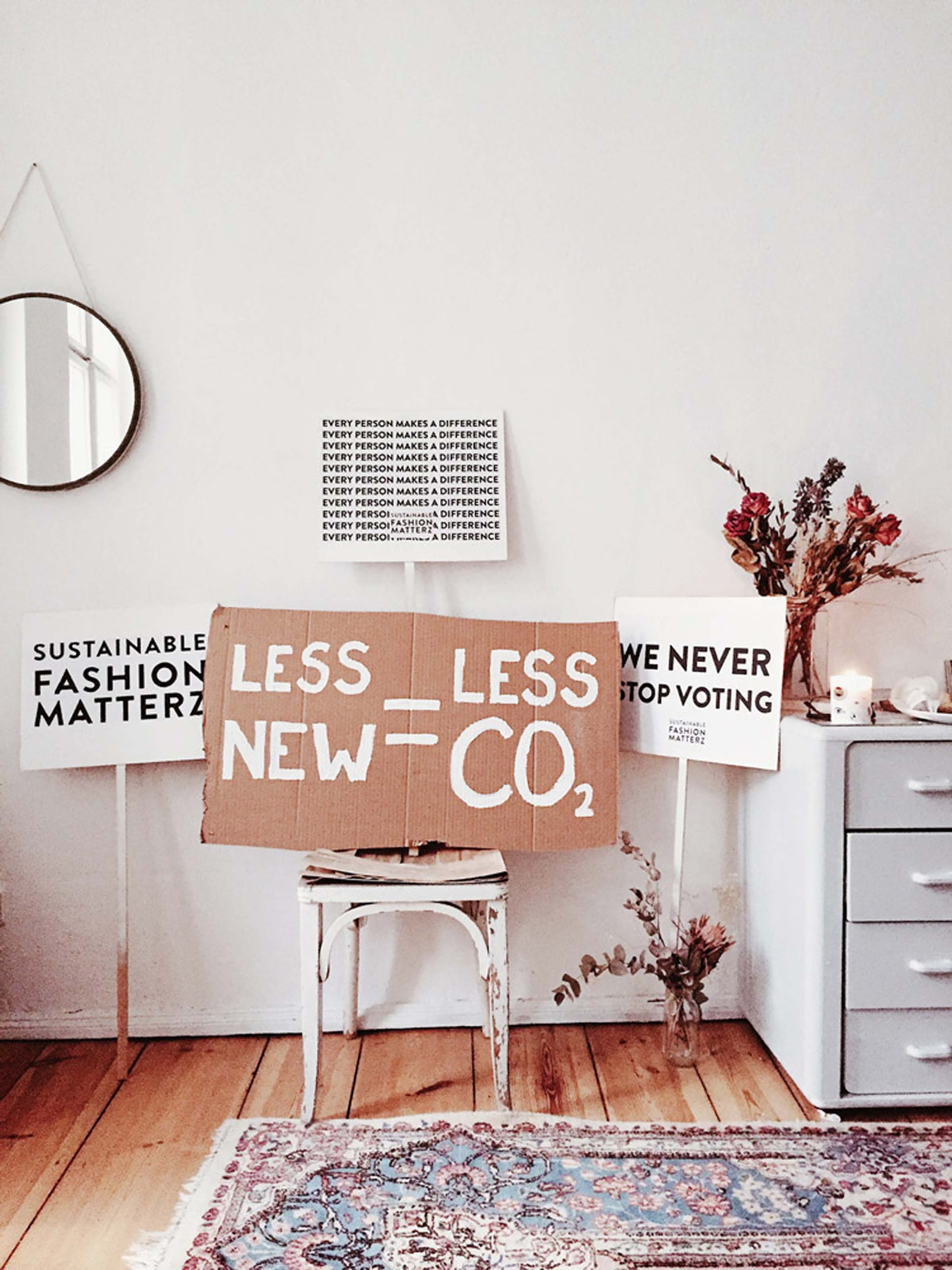
From the moment a company accepts a design challenge, to the moment a product goes to market, responsible innovation requires thought leaders to consider ethical standards, sustainability, and quality of life for their respective consumers as a precursor to the design process.

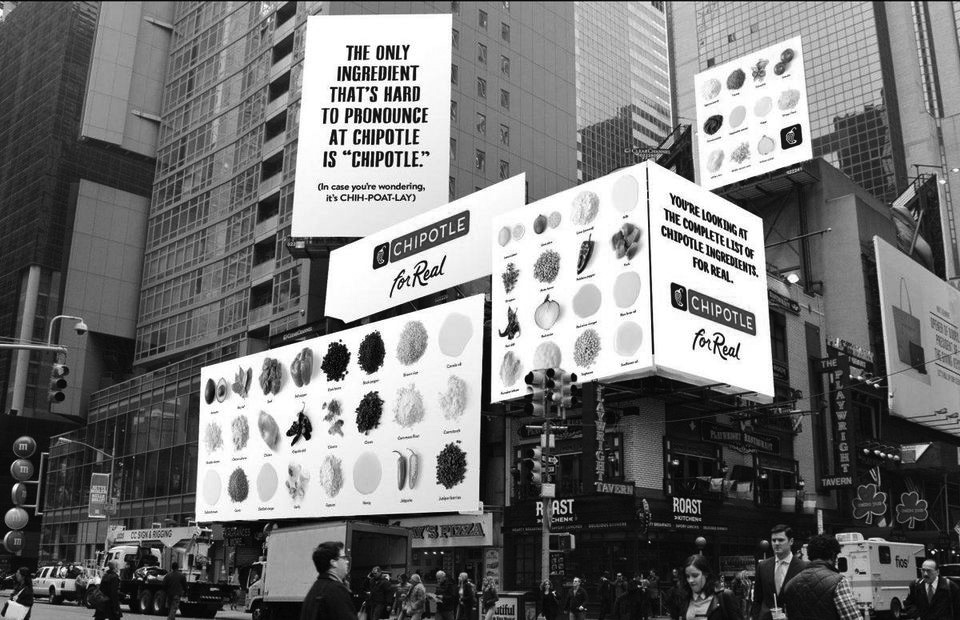
Product transparency is defined as the practice of disclosing detailed information about products and services including what they contain, how they were produced and where they came from. The rising desire for transparency is driven by trust, and consumers are beginning to have a higher expectation from the companies they support to build and earn that trust.

Eco-effectiveness is the central strategy in the cradle-to-cradle development method, and seeks to create industrial systems that emulate healthy natural systems. Rather than simply supporting sustainability, eco-effectiveness takes design a step further by creating processes that actually improve health, nature, and the environment.